Otto Powell · 24 September 2026
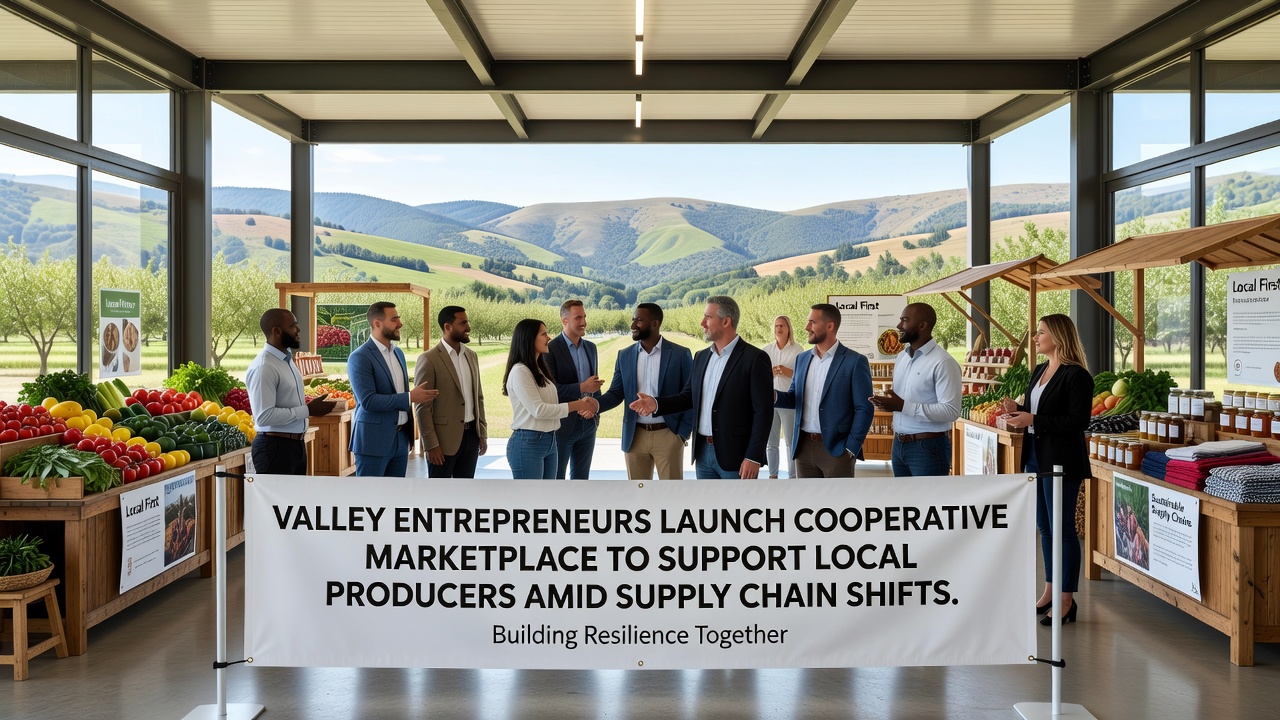
Valley Entrepreneurs Launch Cooperative Marketplace to Support Local Producers Amid Supply Chain Shifts
Entrepreneurs based in several valley regions have formed a cooperative marketplace designed to connect local producers directly with buyers while addressing ongoing supply chain disruptions that have affected distribution networks since the early 2020s. The initiative draws on models from agricultural cooperatives and digital platforms, and it incorporates data from government reports showing that transportation delays and material shortages continue to impact small-scale operations across multiple sectors. In September 2026 the project plans to expand its digital infrastructure to include real-time inventory tracking and regional logistics coordination.
Background on Supply Chain Pressures
Supply chain shifts have prompted many producers to seek alternative distribution methods because traditional routes often involve longer lead times and higher costs. Data from the Australian Bureau of Statistics indicates that freight disruptions in 2024 and 2025 affected agricultural and manufacturing outputs in comparable regions, while similar patterns appear in reports issued by the European Commission on intra-regional trade flows. Those who've studied these trends note that small producers frequently absorb the impact through reduced margins and limited access to larger markets.
The cooperative structure allows participants to share resources such as storage facilities and marketing efforts, which reduces individual overhead. Research compiled by Statistics Canada on collaborative business models shows that such arrangements can stabilize revenue for members during periods of volatility, particularly when external factors like fuel price fluctuations or port congestion occur. Observers note that the valley project adapts these approaches to local conditions where seasonal production cycles intersect with broader economic changes.
How the Marketplace Operates
Members of the cooperative list products through a shared online portal that emphasizes traceability and direct transactions. Producers retain control over pricing and quantities, while the platform handles aggregated shipping arrangements that consolidate loads from multiple farms and workshops. This setup addresses bottlenecks that arise when individual shipments fall below carrier thresholds, a challenge documented in logistics studies from various academic institutions.
Training sessions for participants cover digital listing tools and compliance with regional food safety standards, and they occur monthly at community centers in the valley. One case where experts reviewed similar cooperatives in the Pacific Northwest revealed that shared training improved participation rates and reduced errors in order fulfillment. The valley group incorporates those lessons by pairing experienced producers with newer entrants during onboarding.
Role of Technology and Partnerships
Digital tools form the backbone of the marketplace, including apps that display available inventory and projected delivery windows. Partnerships with regional universities provide access to data analytics that forecast demand based on historical sales patterns and weather data. Figures from the U.S. Department of Commerce on small business adoption of technology show that such integrations can shorten the time from harvest or production to sale when supply routes face interruptions.
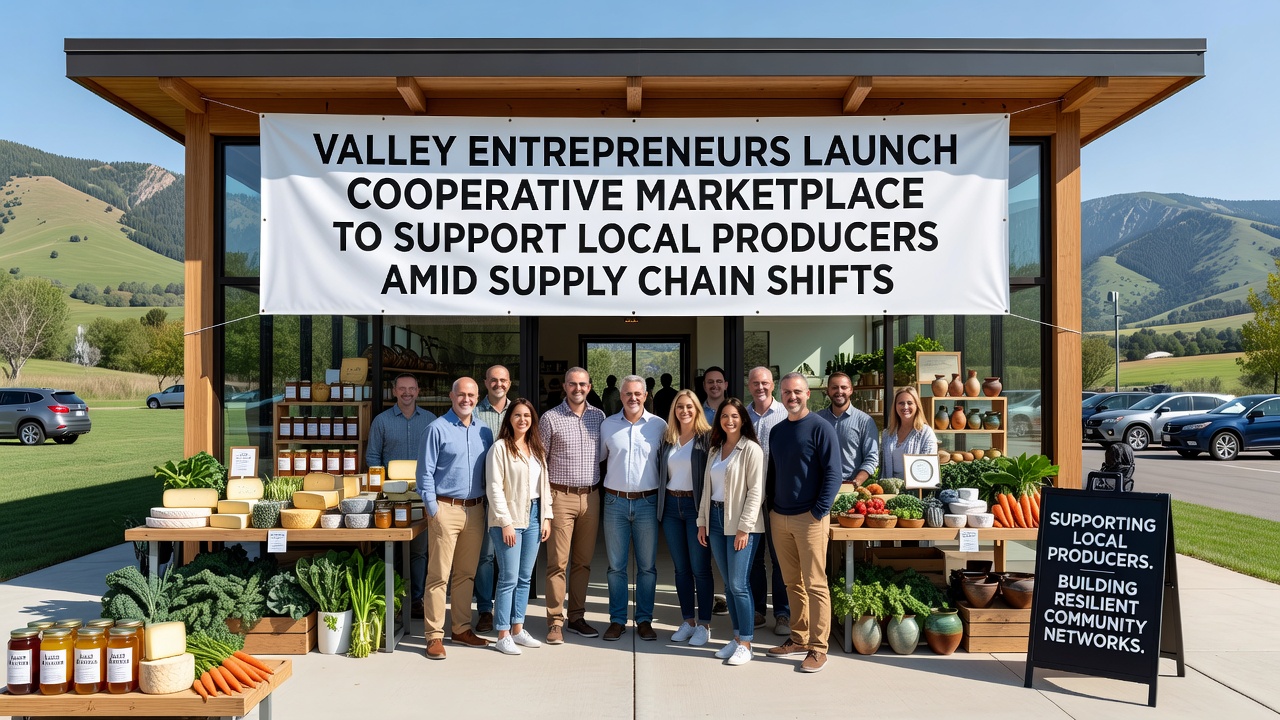
External funding has come through grants aimed at rural economic development, and these resources support the initial build-out of cold storage units and software licenses. Those involved emphasize that the cooperative remains member-owned, which distinguishes it from venture-backed platforms that prioritize scale over local control. What's interesting is how this ownership model aligns incentives so that decisions about expansion or new product categories reflect producer input rather than external investor priorities.
Regional Impact and Participation Trends
Early enrollment includes dozens of producers spanning dairy, specialty crops, and artisanal goods, with projections indicating steady growth through the end of 2026. Reports from industry associations tracking cooperative performance suggest that member retention improves when platforms offer transparent fee structures and collective bargaining power with transporters. The valley effort incorporates those elements by publishing quarterly financial summaries that detail shared savings on logistics.
Local buyers, including restaurants and institutional kitchens, have begun placing recurring orders through the system because consolidated deliveries reduce their administrative burden. Data gathered by the Food and Agriculture Organization of the United Nations on short supply chains indicates that direct linkages between producers and end users can maintain product freshness while lowering overall emissions associated with long-haul transport. The marketplace tracks these metrics to provide participants with evidence of operational improvements.
Future Developments Planned for Late 2026
Expansion plans include integration with additional valley communities and potential linkages to export certification programs that meet standards set by international trade bodies. Workshops scheduled for September 2026 will focus on adapting the platform to handle value-added products such as processed foods and packaged goods, which require different handling protocols. Researchers who have examined cooperative growth in comparable settings observe that phased rollouts help maintain quality controls as membership increases.
Conclusion
The cooperative marketplace represents one response to persistent supply chain challenges by combining local knowledge with shared technological resources. Participation continues to grow as producers and buyers recognize the practical advantages of consolidated operations, and ongoing data collection will inform adjustments in the coming months. The project demonstrates how regional networks can adapt established cooperative principles to contemporary distribution realities without relying on centralized corporate structures.