Yara Washington · 22 October 2026
Sunberg Valley Craft Guilds Merge Traditional Woodworking with Digital Tools in Apprentice Workshops
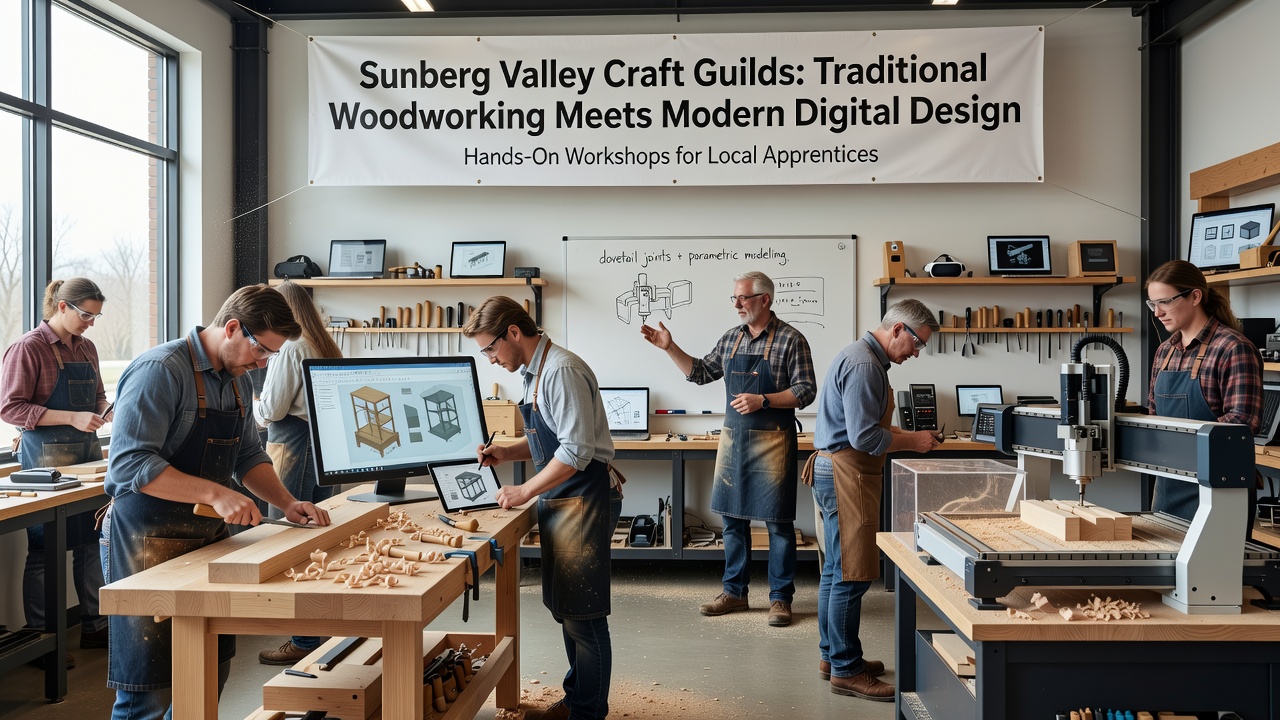
Sunberg Valley craft guilds have expanded their training programs to include hands-on workshops that combine longstanding woodworking methods with contemporary digital design software and equipment, and these sessions target local apprentices who seek practical experience across both domains. Guild leaders coordinate the programs through partnerships with regional technical colleges, where participants learn to use tools such as hand chisels and mallets in tandem with computer numerical control machines and parametric modeling programs. Data from the Sunberg Regional Economic Development Office shows enrollment in these combined workshops rose from 120 apprentices in 2024 to 185 by early 2026, reflecting steady interest among younger workers entering the trades.
Historical Context of Local Guilds
Craft guilds in Sunberg Valley trace their origins to 19th-century woodworking cooperatives that formed to preserve techniques for furniture and structural timber work, and these organizations adapted over decades by incorporating new technologies while maintaining core standards for material quality and joint construction. Records maintained by the Valley Heritage Society indicate that guild membership stabilized around 450 active members across five primary guilds by 2023, with each guild specializing in areas such as cabinetry, timber framing, and decorative carving. Observers note that this continuity allows current workshops to draw on documented methods passed through multiple generations, including dovetail joints cut by hand adn frame-and-panel assemblies that rely on precise measurements taken with traditional squares.
Workshop Structure and Curriculum
Each workshop series runs for eight weeks and meets twice weekly, with morning sessions dedicated to manual techniques and afternoon blocks focused on digital integration, and instructors rotate between guild masters who demonstrate physical skills and technicians who operate software interfaces. Apprentices begin by milling rough lumber with rip saws and smoothing surfaces using planes before they import measurements into design programs to generate toolpaths for laser cutters or 3D printers that produce templates or inlays. One session documented in guild reports involves apprentices creating a small chest where they first lay out dovetails by hand, then refine the design in CAD software to produce matching CNC-cut parts for comparison and adjustment. Participation requires completion of basic safety certifications issued by the Valley Occupational Safety Board, and completion rates reached 92 percent for cohorts finishing in 2025.
Integration of Techniques and Equipment
Guild workshops employ a range of equipment that bridges eras, including table saws and jointers alongside tablet-based design apps and portable CNC routers that fit on standard workbenches, and instructors emphasize how digital files can guide traditional hand finishing to achieve tolerances within 0.5 millimeters. According to statistics released by the European Federation of Woodworking Industries, similar hybrid approaches have increased production efficiency by 18 percent in comparable regional programs without diminishing the tactile skills valued in custom work. Apprentices in Sunberg Valley practice transferring data from digital models back to physical stock through layout methods that use marking gauges and story poles, ensuring the final product retains the visual character associated with handcrafted pieces. Training materials developed by the guilds include step-by-step guides that list both manual and digital checkpoints at each stage of a project.
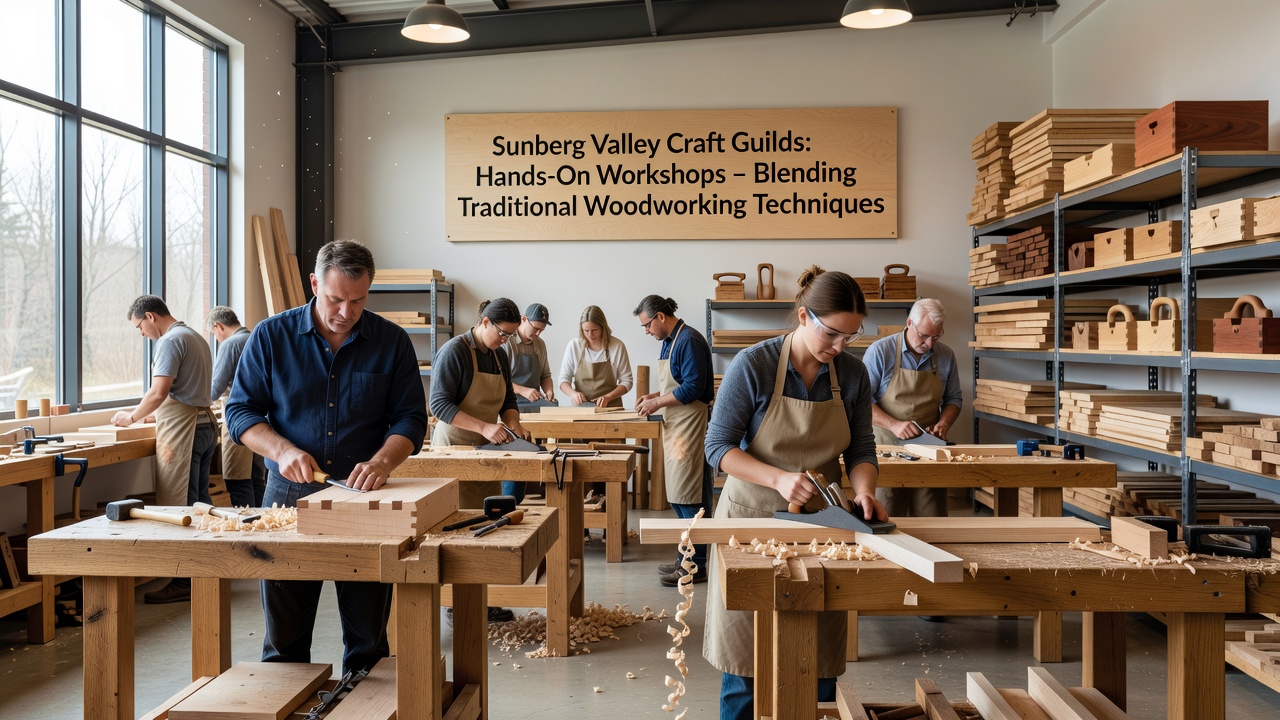
October 2026 schedules list twelve new workshop cycles beginning mid-month, and these will incorporate updated software versions that support augmented reality overlays for visualizing joinery before cutting begins. Guild records show that past participants have gone on to complete journeyman certifications at rates 25 percent higher than those trained solely through traditional apprenticeships, based on assessments conducted by the Sunberg Trades Certification Authority.
Apprentice Outcomes and Regional Impact
Local employers report that graduates of the hybrid workshops demonstrate versatility when assigned to both restoration projects requiring period-accurate handwork and new construction that uses digitally optimized components, and placement data compiled by the Valley Workforce Center lists 78 percent of 2025 completers securing positions within three months of finishing. The programs also draw apprentices from surrounding counties, with transportation support provided through a cooperative agreement among the guilds and the Sunberg Transit Authority. Figures from the Canadian Wood Council indicate that regions adopting comparable blended training models have seen a 12 percent rise in retention within the woodworking sector over five-year periods. Guilds track material usage and waste reduction metrics during workshops, noting that digital planning helps minimize offcuts while hand techniques allow for adjustments that salvage pieces otherwise discarded.
Conclusion
Sunberg Valley craft guilds continue to refine these workshop formats based on feedback collected through post-session surveys and follow-up employer evaluations, and the approach remains focused on delivering measurable skill development for apprentices entering the local workforce. Ongoing sessions scheduled through late 2026 will test additional digital tools such as robotic sanding arms paired with hand-scraping methods, with results documented for internal guild review. The structure supports consistent transmission of established woodworking knowledge alongside emerging design capabilities, and participation data will inform adjustments for subsequent years.